
In a world where smartphones seem to do everything but make your morning coffee, the question arises: can an iPhone detect carbon monoxide? Imagine your trusty device not only capturing your best selfies but also saving you from a silent killer lurking in your home. It sounds like something out of a sci-fi movie, but the reality is a bit more grounded—and a lot less glamorous.
Can iPhone Detect Carbon Monoxide?
iPhones lack built-in carbon monoxide detection capabilities. This smartphone’s sensors are not designed to identify the presence of this harmful gas. Carbon monoxide detectors utilize specialized sensors that measure gas concentration, which iPhones do not possess.
Some apps claim to help with carbon monoxide detection, but they often rely on external hardware to provide accurate readings. For effective monitoring, users need dedicated carbon monoxide detectors placed in critical areas like kitchens or garages. The National Fire Protection Association (NFPA) recommends installing these devices on every level of a home.
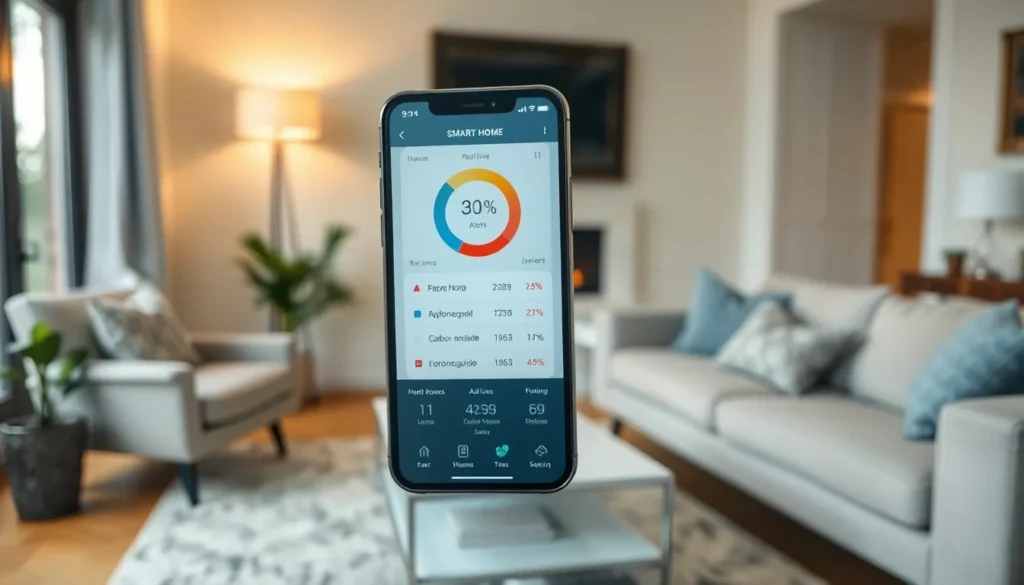
Though iPhones cannot directly detect carbon monoxide, they can receive alerts from smart home systems. Many smart detectors connect to smartphones, sending notifications when carbon monoxide levels reach dangerous thresholds. This feature allows individuals to stay informed even while away from home.
Maintaining awareness of carbon monoxide’s dangers remains crucial. Symptoms of carbon monoxide poisoning include headache, dizziness, and confusion. Individuals experiencing these symptoms when in confined spaces should seek fresh air and immediate medical assistance.
While iPhones serve many functions, they are not substitutes for established safety devices. A reliable carbon monoxide detector is essential, providing peace of mind and protecting health. Users benefit from understanding the limitations of their smartphones regarding environmental safety.
Understanding Carbon Monoxide
Carbon monoxide (CO) is a colorless, odorless gas produced by burning carbon-based fuels. Common sources include gas stoves, car exhaust, and heating systems. Its insidious nature makes it particularly dangerous, as individuals often can’t detect its presence without a proper detector.
What Is Carbon Monoxide?
Carbon monoxide forms when fuel doesn’t burn completely. Sources encompass vehicles, generators, fireplaces, and even gas appliances. In many cases, CO accumulates in enclosed spaces, leading to hazardous concentrations. Understanding how CO originates helps emphasize the need for vigilant monitoring.
Health Risks Associated With Carbon Monoxide
Health risks linked to carbon monoxide exposure are serious. Symptoms of poisoning range from mild headaches and dizziness to nausea and confusion. Prolonged exposure can lead to lasting damage or even fatalities. Immediate action is critical; fresh air should be sought and medical help notified. By raising awareness of these risks, individuals can make informed decisions about their safety.
iPhone Features Related to Detection
iPhones offer various features that may assist users in monitoring their environments. Despite these capabilities, detecting carbon monoxide remains outside their functionality.
Built-in Sensors
Built-in sensors on iPhones focus on specific tasks like measuring temperature and humidity. None of these sensors can identify harmful gases like carbon monoxide. Users rely on dedicated carbon monoxide detectors for proper monitoring. Certain devices, such as air quality monitors, can connect to smart home systems. These connections help create a more comprehensive safety network.
Third-Party Apps
Third-party apps exist that claim to measure gas levels and enhance safety awareness. Often, these apps rely on compatible external hardware for accurate readings. Users should note that relying solely on apps isn’t advisable for critical situations. Dedicated carbon monoxide detectors provide the most reliable data. Some users may find value in apps that receive alerts from connected systems. These notifications can offer peace of mind by keeping individuals informed about gas levels in real time.
Limitations of iPhone Detection
iPhones cannot accurately detect carbon monoxide. Users must consider several limitations that hinder the effectiveness of iPhone detection features.
Accuracy Concerns
Apps claiming to measure carbon monoxide levels require external hardware to provide accurate data. Without such equipment, readings may not reflect real gas levels. Misleading results can occur due to the absence of specialized sensors in iPhones. Users relying solely on these apps might misinterpret safety or danger. The National Fire Protection Association emphasizes the necessity of dedicated carbon monoxide detectors for reliable monitoring. These detectors are designed specifically to address early warning signs of gas buildup.
Environmental Factors
Environmental conditions impact carbon monoxide detection capabilities. Changes in temperature and humidity can alter the behavior of harmful gases. iPhones are not equipped to adjust for these variables in the same way specialized detectors can. Obstacles such as walls or furniture can impede gas flow, affecting readings from external sensors. Additionally, relying on an iPhone for detection lacks the robustness necessary for critical scenarios. Dedicated devices provide peace of mind by consistently monitoring hazardous conditions across various environments.
Alternatives to iPhone Detection
While iPhones lack built-in carbon monoxide detection, several reliable alternatives exist to ensure safety.
Dedicated Carbon Monoxide Detectors
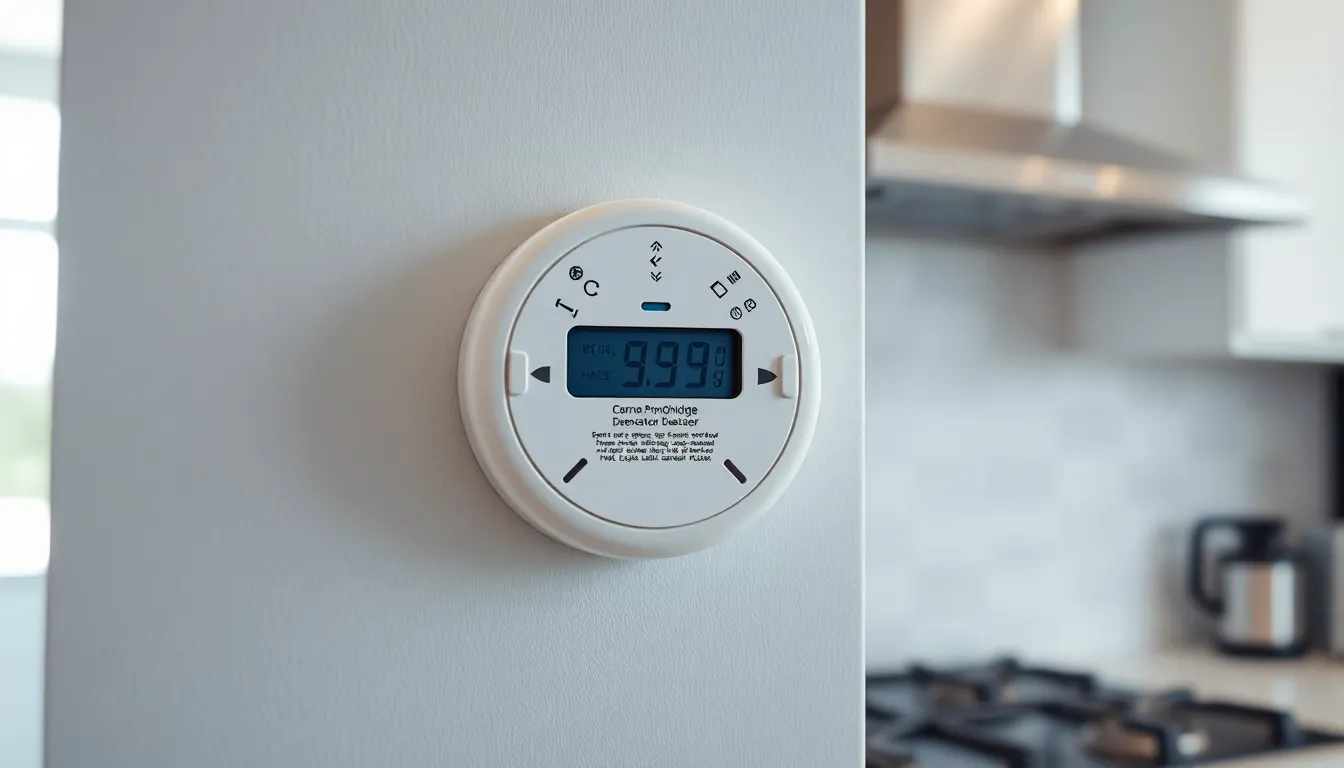
Dedicated carbon monoxide detectors offer the most reliable monitoring for CO levels. Experts recommend placing these devices near sleeping areas and on every level of a home. Many models include features like digital displays, battery backups, and vocal alerts that enhance safety. According to the National Fire Protection Association, having these detectors can significantly reduce the risk of carbon monoxide poisoning. Regular testing and battery replacement for these devices ensure they function properly when needed.
Smart Home Solutions
Smart home solutions provide another layer of safety. These systems integrate with dedicated carbon monoxide detectors and send alerts directly to smartphones. Users receive notifications about rising CO levels, even when they are away from home. Some solutions include voice assistants that can announce alerts, improving accessibility for all family members. By connecting these systems, homeowners gain peace of mind knowing they are informed of potential dangers immediately.
While iPhones offer numerous functionalities they cannot detect carbon monoxide. Relying on apps alone isn’t sufficient for accurate readings as they require external hardware. The dangers of carbon monoxide exposure are real and can have severe health implications.
For effective monitoring it’s essential to install dedicated carbon monoxide detectors throughout the home. These devices provide reliable alerts and peace of mind. Integrating smart home systems can enhance safety by sending notifications directly to smartphones.
In the end, protecting oneself and loved ones from carbon monoxide requires proper equipment and awareness. Prioritizing safety measures is crucial in preventing potential hazards.


